

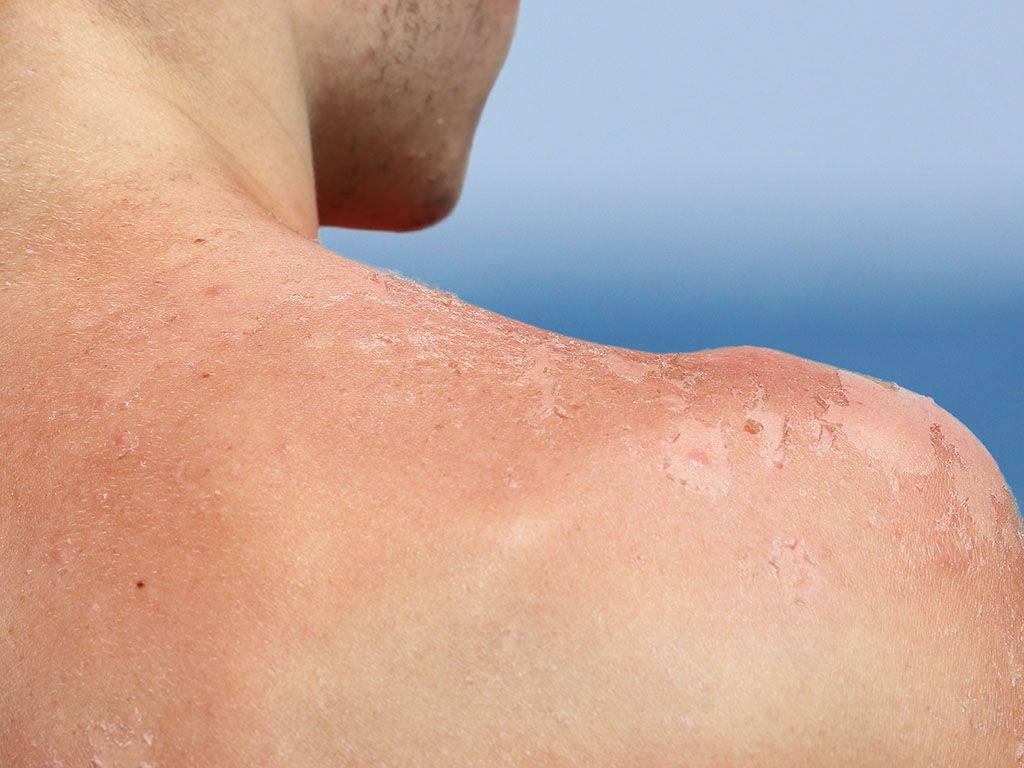
Excessive exposure to ultraviolet rays can cause painful burns, leaving the skin red, inflamed, and sensitive. Prolonged exposure without protection can damage the outer layer, leading to peeling, discomfort, and increased risks of premature aging. Sunburns not only cause immediate discomfort but can also have long-term effects, making proper care essential.
Applying sunscreen SPF 50 before stepping outside can minimize the risk of burns by blocking harmful rays. However, when sun exposure results in irritation, the right aftercare measures can provide relief while preventing further damage. Immediate remedies, hydration, and protective measures play a crucial role in recovery. This article will explore effective ways to calm irritated skin and prevent future harm.
Cool Down the Skin Immediately
Once sunburn occurs, the first step should be reducing the heat trapped within the skin. Cooling the affected areas helps relieve discomfort and slows down damage. It also can reduce inflammation while preventing further dehydration. After this step, using gentle skin care products will aid the healing process. Here’s how to do it:
- Apply a cold compress or soak a cloth in cool water before placing it on the skin.
- Take a gentle, lukewarm shower instead of a hot bath to avoid further irritation.
- Avoid using ice directly, as extreme cold can worsen sensitivity.
Keep the Skin Hydrated
Burned skin tends to lose moisture quickly, leading to dryness and flaking. Restoring hydration is essential for proper healing and to prevent peeling. Drinking plenty of water supports cell regeneration, helping the skin repair itself faster.
Applying moisturizers rich in aloe vera or glycerin can lock in hydration while soothing irritation. Lotions without alcohol or fragrance are preferable, as harsh ingredients may aggravate the condition. Hydration should be maintained both internally and externally for effective recovery.
The Importance of Sunscreen
Preventing sunburn starts with using an effective protective barrier against harmful rays. A broad-spectrum formula with sunscreen with SPF 50 provides strong defense by filtering out both UVA and UVB rays. Using a protective layer reduces the likelihood of burns and supports overall skin health. It is an essential part of any skincare routine.
- Broad-Spectrum Protection – Shields against both short-term burns and long-term damage.
- Higher SPF for Better Coverage – SPF 50 blocks up to 98% of UVB rays, reducing the risks of burns.
- Essential for Daily Use – Applying it regularly, even on cloudy days, prevents cumulative damage.
- Reapplication Matters – Sunscreen should be reapplied every two hours, especially when swimming or sweating.
Use Natural Soothing Remedies
Nature provides several ingredients that can help relieve discomfort and promote healing. These remedies work without harsh chemicals, making them safe for sensitive skin. They can be applied regularly to help maintain skin health and aid in the recovery process:
- Aloe Vera Gel – Known for its cooling properties, this plant extract reduces redness and provides instant relief.
- Oatmeal Baths – Adding finely ground oats to lukewarm bathwater helps reduce inflammation and itching.
- Coconut Oil – Applying a light layer can prevent excessive dryness, although it should be used after the initial cooling process.
- Honey – This natural humectant promotes faster healing while preventing infections.
Protect the Skin from Further Exposure
Once burned, the affected area remains vulnerable to further damage. Stepping out in the sun before healing is complete can intensify irritation. Wearing loose-fitting, breathable clothing made from cotton can prevent friction while allowing the skin to heal.
Wide-brimmed hats and sunglasses provide additional protection for the face and eyes. Seeking shade and avoiding direct sunlight between peak hours can further reduce risks. Using a broad spectrum of sunscreen before exposure helps protect sensitive areas from worsening.
Using sunscreen with SPF 50 consistently is one of the best ways to prevent sunburn while maintaining skin health. Once a burn occurs, taking immediate action by cooling the skin, keeping it hydrated, and using natural remedies can ease discomfort. Preventive care, including avoiding further exposure and maintaining a proper skincare routine, helps minimize long-term effects. Protecting the skin today ensures it remains healthy and resilient in the future.
