

Retailers make several operational decisions every day, from managing stock levels to adjusting pricing and staffing. Many of these decisions are taken quickly, based on experience or immediate business needs. What often goes unnoticed is that valuable data to support these choices is already being generated at the checkout counter.
This is where a Point of Sale (POS) system plays a vital role, automatically recording transaction data. For businesses operating in the Small and Medium Enterprises (SME) segment, these systems quietly support daily retail operations. A modern POS machine does more than complete a transaction. It builds a clear record of sales activity, timing patterns, and operational trends.
Keep reading to understand how POS-led insights support smarter, data-driven retail decisions.
What is a POS Machine and Why Does it Matter in Modern Retail
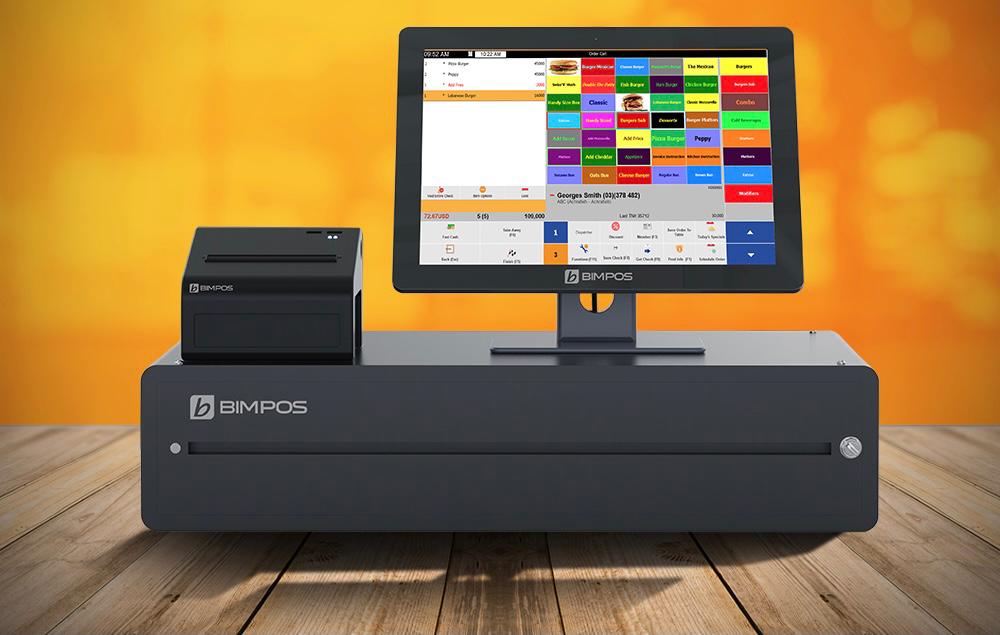
A POS machine is a system used at the checkout to accept payments and record transaction details in real time. It captures product information, pricing, payment mode, and transaction timing in a single process. This structured workflow reduces dependency on handwritten records and manual data entry.
In modern retail, this information becomes a reliable source of operational insight. Retailers can track sales volumes throughout the day, identify demand fluctuations, and monitor performance in real time. POS data also supports transparency across billing and settlements, which is especially important for growing businesses.
In structured SME banking, POS systems improve visibility into daily inflows. This clarity supports disciplined cash handling and smoother financial coordination. Over time, retailers begin to rely on POS data as a daily reference point for planning and review.
How POS Machines Enable Data-driven Retail Decisions
Each transaction processed through a POS machine contributes to a structured, continuously updated dataset. When reviewed regularly, this information helps retailers make informed decisions across inventory planning, customer engagement, sales strategy, and operations.
. Inventory Management and Demand Forecasting
Inventory planning becomes more accurate when stock levels update automatically. A POS machine reflects real-time inventory movements as items are sold, helping retailers avoid missed sales due to unavailable stock. This also reduces excess ordering, which can strain working capital.
Sales velocity insights highlight which products move quickly and which remain unsold for longer periods. Retailers can use this information to adjust order quantities or change shelf placement. Over time, historical transaction data reveals buying patterns across months and seasons.
These patterns support demand forecasting by helping retailers predict future needs more accurately. Better forecasting reduces wastage, improves supplier coordination, and stabilises inventory cycles. This discipline aligns closely with sound SME banking practices that focus on liquidity and control.
. Customer Behaviour Insights that Shape Marketing Strategies
Transaction data captured at checkout offers clear insight into customer buying behaviour. Retailers see which products customers purchase, how frequently they visit, and which combinations are common. A POS machine provides this visibility without collecting sensitive personal details.
These insights support practical customer segmentation. Retailers can identify repeat buyers and plan loyalty initiatives that encourage continued engagement. Occasional customers can be targeted with relevant offers based on past purchases.
Marketing decisions become more focused when guided by actual sales behaviour. Retailers avoid blanket appropriation and instead plan offers that reflect genuine demand. Over time, this approach improves campaign effectiveness and reduces unnecessary discounting.
. Sales and Performance Analysis for Smarter Merchandising
Sales performance becomes easier to analyse when data is structured and accessible. A POS machine provides visibility into daily, weekly, and seasonal trends, helping retailers understand how demand shifts over time.
Retailers can identify peak periods that require higher stock levels or additional staffing. Slower periods can be managed through targeted promotions or reduced inventory exposure. This understanding supports better operational readiness.
Product-level analysis shows which items contribute consistently to revenue and margins. Retailers adjust assortments based on these insights, prioritising strong performers. Reducing focus on underperforming items improves space utilisation and financial efficiency.
. Operational Efficiency Through Transaction-level Data
Operational decisions benefit from detailed transaction insights. POS data shows which payment methods customers prefer, such as contactless payments or cash. Retailers use this information to ensure appropriate payment infrastructure is available.
A POS machine also improves checkout speed by reducing manual inputs. Faster billing shortens queues and improves customer satisfaction during busy periods. This efficiency becomes particularly valuable during peak hours or seasonal sales.
Daily reconciliation becomes simpler through automated reports generated by the system. Retailers track settlements and cash inflows with greater accuracy. This reduces end-of-day workload and supports consistent financial oversight linked to SME banking operations.
. Turning POS Data into Consistent Retail Growth
Retail growth depends on consistent use of available data. Access alone does not drive improvement. Retailers benefit when POS reports are reviewed regularly and applied to planning discussions.
A POS machine supports this process by offering comparable data across days, weeks, and months. Patterns emerge that guide staffing schedules, inventory planning, and promotional timing. Decisions become more structured and less dependent on guesswork.
Over time, this consistency reduces operational surprises and improves preparedness. Retailers who rely on POS insights develop stronger planning habits. These habits support steady expansion and long-term business stability.
Making POS Data the Foundation of Smarter Retail Decisions
Effective retail decisions start at the point of sale. Modern POS systems generate valuable insights that help retailers track inventory, understand customer behaviour, and optimise daily operations. Treating these systems as more than just payment tools enables clearer, data-backed decision-making across the business.
With structured retail on the rise, financial institutions like HDFC Bank play a key role in supporting SMEs and larger retailers through reliable POS solutions. Leveraging accurate, real-time data allows businesses to plan better, respond to trends quickly, and deliver a seamless customer experience. Building strong data foundations today sets the stage for sustainable growth and long-term retail success.
