

Key Takeaways
- Options grant the right, but not the obligation, to buy or sell an asset at a predetermined price within a specific time period.
- Call options and put options make up the two main categories of contracts.
- Understanding the components of an option contract is fundamental to using options effectively.
- Options are used to hedge risk, generate income, and speculate with limited capital.
- There are substantial risks involved that require education and careful strategy.
Options trading is an important area within the investment world, offering investors a flexible way to manage risk and diversify portfolios. Those just starting out can find the mechanics and terminology overwhelming, but learning the basics can open new opportunities for personal financial growth. Investors looking to learn the basics of options will discover that understanding these contracts is a crucial first step.
At its core, options trading provides ways to control assets, generate income, and hedge against potential losses. This guide breaks down option contracts, explores their uses, and highlights essential concepts every new investor should know before participating in this dynamic market.
Understanding Option Contracts
An option is a special kind of financial contract that provides the buyer with the choice, not the obligation, to buy or sell the underlying asset at a set price, called the strike price, on or before a specific date. Underlying assets are most often individual company stocks, but contracts can also be written on indexes, futures, commodities, and foreign currencies. Options are standardized and traded on regulated exchanges, making them accessible to many investors.
The flexibility of option contracts is one of their greatest strengths. Investors can participate in price movements of assets without owning them outright. This means that even with a smaller amount of money, it is possible to get significant market exposure. However, it is important to fully understand the terms and expiry of each contract before entering a position, since options that expire without being exercised become worthless.
Types of Options
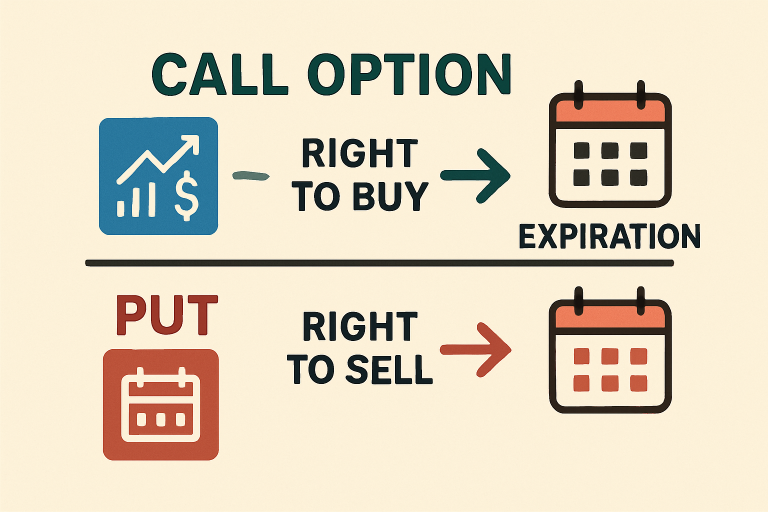
There are two primary types of option contracts: call options and put options. Each comes with different rights, uses, and risks:
- Call Options: The buyer has the right to purchase the underlying asset at the strike price before expiration. Investors buy call options when they believe the price of the asset will rise, allowing them to purchase the asset at a price below market value or sell the contract at a profit.
- Put Options: Conversely, puts provide the buyer with the right to sell the underlying asset at the strike price before expiry. Investors use puts when they expect the asset’s price to fall, enabling them to sell at above-market prices or to potentially profit from a downturn.
Components of an Option Contract
An option contract comprises several key components that define its value and the obligations of both the buyer and the seller. The underlying asset is the financial instrument, such as a stock or index, on which the option is based. The strike price specifies the price at which the option can be exercised, while the expiration date sets the final day the option remains valid. The premium is the cost the buyer pays the seller for the right granted by the option. Understanding these elements is essential for making informed decisions in options trading, as each component directly influences the contract’s potential profit, loss, and overall value.
Uses of Options
Options bring flexibility to investment strategies and serve several purposes:
- Hedging: Many investors use options to protect against potential losses in other holdings. By purchasing a put option, for example, an investor can guard their portfolio against a falling market.
- Income Generation: Selling (or writing) options can produce regular income. For example, covered call strategies involve holding a stock and selling call options on that position, generating additional revenue from premiums.
- Speculation: Options attract traders seeking to profit from changes in the price of the underlying asset. Because they can control large amounts of stock with less money upfront, options are useful for making speculative bets with defined risk.
Risks Associated with Options Trading
Despite the advantages, options carry significant risks, and not all investors will find them suitable:
- Potential Losses: Option buyers can lose the entire premium paid if the contract expires out of the money.
- Complexity: Successful options trading requires a keen understanding of volatility, price movement, and time decay. The strategies can become intricate.
- Time Decay: The value of options typically decreases as expiration approaches, a phenomenon called theta decay. This can erode potential gains.
Getting Started with Options Trading
For beginners, it is wise to focus on basic strategies such as buying calls and puts or using covered calls before progressing to advanced techniques like spreads or straddles. Most reputable brokerages offer demo accounts and educational resources, which are highly recommended for gaining practical skills before committing real capital.
Conclusion
Grasping the essentials of option contracts can empower investors to diversify their portfolios, manage risk, and explore new avenues for generating returns. By mastering the primary concepts and appreciating both the opportunities and risks, investors can confidently integrate options into their broader financial strategy.
