

Key Takeaways
- Fraudulent job applications are increasing in sophistication, making detection a critical priority for modern recruiters.
- Common threats include AI-generated resumes, deepfake interviews, and identity theft tactics designed to bypass traditional screening methods.
- A multi-layered verification approach, combining identity checks, behavioral analysis, and credential cross-referencing, significantly reduces hiring risk.
- AI and automation tools can help detect inconsistencies and suspicious patterns, but should always be paired with human oversight.
- Ongoing recruiter training is essential for recognizing red flags and staying updated on emerging fraud tactics.
- Remote hiring environments require stronger safeguards due to increased opportunities for identity manipulation and document fraud.
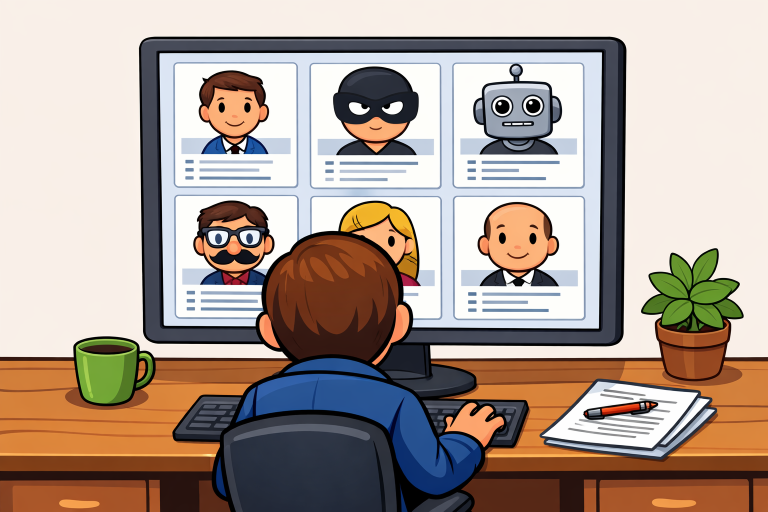
In today’s digital hiring landscape, recruiters face an escalating challenge: identifying and mitigating fraudulent job applications. As technology advances, so do the tactics of deceptive candidates. To hire professionals who stay ahead, understanding how to spot candidate fraud is now a crucial part of protecting an organization’s reputation and resources. Because candidates have grown increasingly sophisticated in their attempts to deceive, companies must remain vigilant and informed with every new applicant.
Fraudulent job applications present a risk to companies of all sizes. Not only can these scams lead to wasted time and money, but they can also open the door to potential data breaches, internal sabotage, and the hiring of unqualified individuals. Addressing these issues early in the recruitment process is essential in safeguarding business operations and ensuring the right talent comes on board.
- Fraudulent job applications are becoming more prevalent, often using very sophisticated strategies to mislead recruiters.
- A multi-layered approach to candidate verification offers significantly greater protection and confidence during hiring.
- Recruitment teams must stay informed about emerging fraud tactics and employ technological solutions for successful, secure hiring.
Understanding the Rise of Fraudulent Applications
Over the last several years, reported cases of fraudulent job applications have risen exponentially. Increasingly, applicants are using advanced digital tools to create artificial resumes, manipulate their identities, and even impersonate others in video interviews. These methods do more than compromise the integrity of internal hiring processes. They also pose substantial risks to company security, finances, and morale. According to Forbes, failure to spot and remove fraudulent candidates early in the hiring process can expose a business to ongoing scams and to the theft of sensitive company information. Often, fraudulent applications are not simply the work of individual bad actors. They may involve coordinated efforts or “hiring scams” run by sophisticated networks. This underscores the importance of updating verification strategies and remaining proactive through every stage of recruitment.
Common Tactics Used by Fraudulent Candidates
Understanding the range of tools and methods used by fraudulent candidates will help recruiters better anticipate and prevent fraudulent applications. Many applicants now exploit:
- AI-Generated Resumes: With easy access to large language models and AI-powered resume writers, it is possible to fabricate highly convincing employment histories, skillsets, and certifications that are difficult to spot using traditional methods.
- Deepfake Technology: Job applicants have begun employing advanced video and audio manipulation to impersonate someone else during remote interviews or onboarding. This can involve duplicating live appearances or hijacking interview platforms.
- Identity Theft: Some candidates use stolen or synthetic identities to bypass background checks or verification systems, leading to real security breaches and liability issues for unwary employers.
Implementing Effective Verification Processes
To counter evolving tactics, companies should implement a multifaceted, layered verification process. Some essential components include:
- Advanced Identity Verification:Technologies such as biometric authentication (e.g., facial recognition, fingerprint scanning) and liveness detection can provide an extra measure of certainty that a candidate is who they claim to be.
- Behavioral Analysis: During interviews, hiring professionals should watch out for unnatural pauses or responses that appear scripted or inconsistent with the provided resume and application.
- Cross-Referencing Information: It is important to verify details from multiple sources. This can include contacting prior employers, checking for overlapping dates, and confirming credentials through accredited databases or professional networks.
Leveraging Technology to Detect Fraud
Artificial intelligence and automation are powerful allies in the fight against fraudulent job applications. By analyzing thousands of applications, AI can identify suspicious patterns or irregularities that escape manual review. These might include inconsistencies in employment dates or duplicated information across multiple candidates. However, it is vital to blend technological tools with human oversight to minimize false positives and maintain fairness. Good security always pairs innovation with experience to remain resilient as threats continue to evolve. Additional technology, such as résumé verification platforms or secure digital identity tools, can also increase confidence in hiring decisions.
Training Recruiters to Recognize Red Flags
In addition to deploying more advanced technology, arming recruiters with the skills to spot red flags is an ongoing process. Regular training sessions help recruitment professionals stay informed about the latest fraud tactics and provide them with updated checklists to evaluate applications more critically. This training can include identifying signs of AI-generated content, recognizing common interview inconsistencies, and spotting patterns of identity fraud. Ongoing education and practice sessions ensure that even as fraudulent tactics evolve, recruitment teams remain prepared.
Maintaining Vigilance in Remote Hiring
The widespread adoption of remote hiring practices has made the recruitment field more vulnerable to fraud. Virtual settings make it easier for candidates to hide their true identities, present false documentation, and participate in interviews without ever being physically present. To mitigate this, companies must integrate stringent verification processes at every stage, carefully verify all documentation, and schedule video interviews in real time, with the option for unexpected follow-ups or dynamic, unscripted questions. Increasing awareness and fortifying processes ensure a more secure virtual hiring environment for businesses and candidates alike.
Conclusion
As fraudulent job applications become more prevalent and advanced, recruiters must protect their organizations by adopting robust verification processes, leveraging innovative technologies, and continuously training their staff. By remaining vigilant, utilizing layered defense strategies, and educating hiring teams, companies can maintain the integrity of their recruitment processes and minimize exposure to fraud. These proactive steps ensure that only qualified, trustworthy talent is welcomed into the workforce.
