

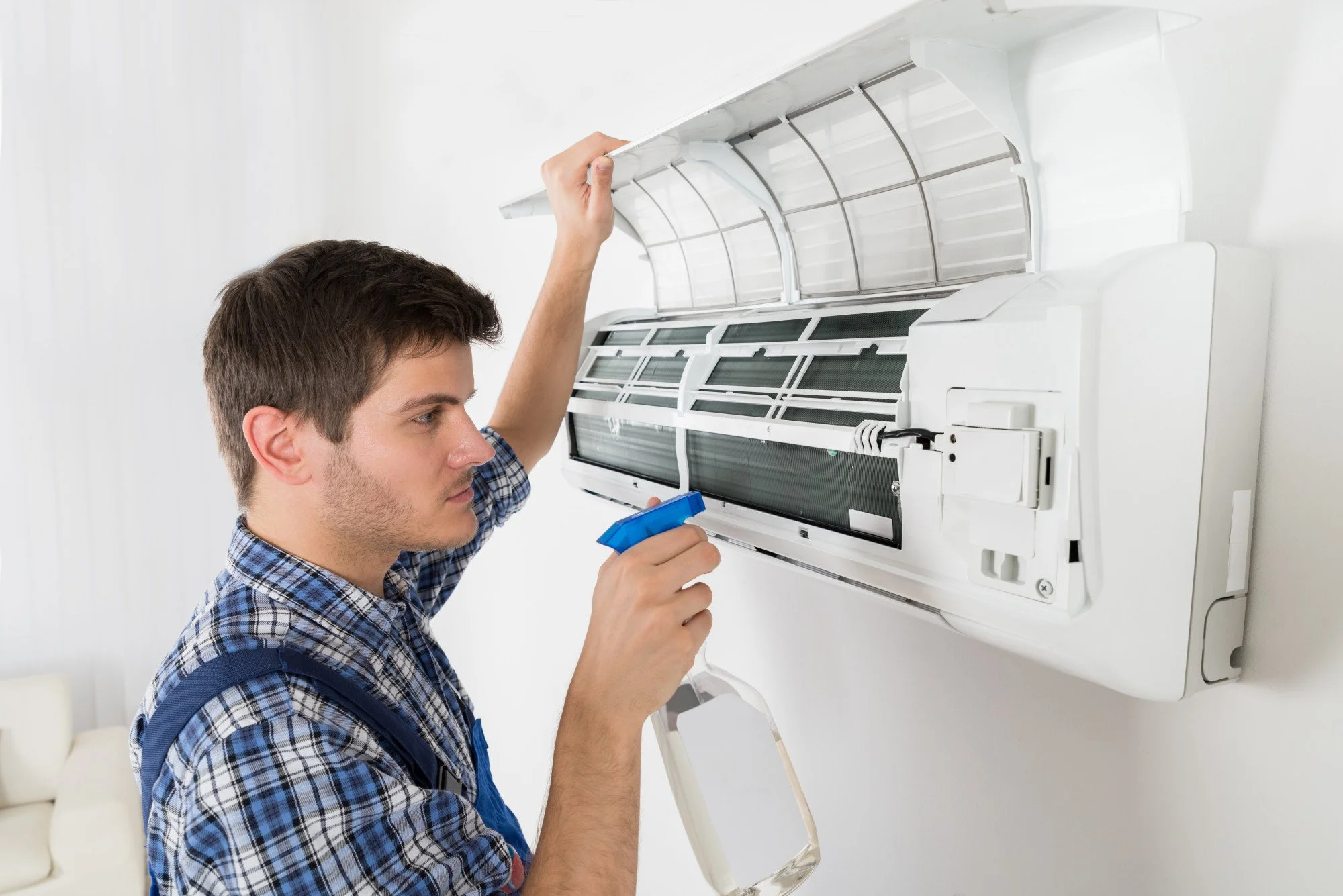
What is Included in Standard Residential HVAC Maintenance?
Understanding what constitutes a thorough HVAC maintenance check-up is the first step toward ensuring your system’s longevity and efficiency. In 2026, quality residential HVAC maintenance is guided by industry benchmarks, such as the ANSI/ACCA 4 QM standard. This nationally recognized, manufacturer-endorsed guideline establishes the minimum tasks that should be performed during an inspection, providing a uniform platform that protects consumers and ensures consistent service quality. When a professional technician visits your home for a standard check-up, they typically follow a comprehensive checklist designed to optimize performance, prevent future issues, and ensure safe operation.
A general HVAC maintenance appointment will cover several critical areas regardless of whether it’s for heating or cooling. Technicians meticulously inspect electrical connections, tightening any loose wires to prevent potential hazards and ensure efficient power delivery. They also verify thermostat settings and calibration to ensure accurate temperature control and optimal system cycling. Lubrication of moving parts, such as motor bearings, is crucial to reduce friction, minimize wear and tear, and extend the lifespan of components. The condensate drain line is inspected and cleared to prevent blockages that could lead to water damage or system shutdowns. Finally, system controls and startup cycles are tested to confirm that all operational sequences are functioning correctly and safely.
The specific tasks performed will vary slightly depending on whether the focus is on your cooling or heating system, reflecting the distinct operational demands of each.
Cooling-Specific Residential HVAC Maintenance Tasks
As the warmer months approach, your air conditioning system becomes paramount for indoor comfort. A cooling-specific maintenance check-up, ideally performed in the spring before peak summer heat, focuses on components vital to efficient cooling. Technicians will thoroughly clean the evaporator and condenser coils. Over time, these coils accumulate dirt and debris, which act as an insulating layer, forcing the system to work harder and consume more energy. Dirty coils are a primary cause of reduced efficiency and can even lead to the evaporator coil freezing, which severely impairs cooling capacity.
Another critical task is checking and, if necessary, adjusting refrigerant levels. Low refrigerant can indicate a leak and significantly reduce cooling performance, leading to increased energy consumption and potential damage to the compressor. Blower components are also inspected and cleaned to ensure proper airflow through your ductwork. Airflow problems can reduce your system’s efficiency by up to 15 percent, directly impacting your comfort and energy bills. By addressing these cooling-specific elements, a professional tune-up helps your AC system deliver consistent, efficient cooling throughout the hottest parts of the year.
Heating-Specific Residential HVAC Maintenance Tasks
When the temperatures drop, your heating system steps up to keep your home warm and safe. Heating-specific maintenance, best scheduled in the fall before the cold sets in, centers on ensuring the safe and efficient operation of your furnace or heat pump. For gas or oil furnaces, technicians pay close attention to gas and oil connections, ensuring they are secure and leak-free to prevent safety hazards. Gas pressure is checked and adjusted as needed to ensure proper combustion. The burner combustion process is carefully monitored to confirm that fuel is burning cleanly and efficiently, which is critical for both safety and performance.
A particularly vital task involves inspecting the heat exchanger for cracks or damage. A compromised heat exchanger can allow dangerous carbon monoxide to leak into your home, making this a critical safety check. For heat pumps, the outdoor unit’s coils and refrigerant lines are inspected, similar to an AC unit. These detailed checks are designed not only to optimize heating efficiency but, more importantly, to identify and mitigate potential safety risks. Should your heating system exhibit any unusual behavior, such as strange odors or insufficient heat, consulting with providers of expert HVAC repair and heating solutions can ensure your family’s safety and comfort.
The Core Benefits of Regular System Tune-Ups
Regular residential HVAC maintenance is not merely a suggestion; it’s a fundamental practice that yields substantial returns for homeowners. Think of it as a preventative health check for your home’s most vital climate control system. These routine tune-ups prevent minor issues from escalating into major, costly problems, ensuring your home remains a sanctuary of comfort year-round. From reducing your monthly expenses to extending the life of your equipment, the advantages are clear and impactful.
The benefits extend beyond just avoiding breakdowns. Regular maintenance acts as a proactive measure, optimizing every aspect of your HVAC system’s operation. It directly influences your energy bills, the longevity of your equipment, and even the quality of the air you breathe indoors. By investing a small amount of time and resources into preventative care, homeowners gain significant comfort control and substantial utility savings, transforming potential headaches into peace of mind.
Energy Efficiency and Utility Savings
One of the most compelling reasons for consistent HVAC maintenance is its direct impact on energy efficiency and, consequently, your utility bills. An HVAC system that isn’t regularly maintained can quickly become an energy hog. For instance, airflow restriction, often caused by dirty filters or blocked coils, can reduce your system’s efficiency by up to 15 percent. This means your system has to work much harder and run longer to achieve the desired temperature, consuming more electricity or fuel in the process.
Dirty coils, whether on the evaporator or condenser, are notorious for forcing the system to overwork. The grime acts as an insulator, hindering the essential heat exchange process. This increased energy consumption translates directly into higher utility bills each month. Regular cleaning and calibration ensure that your system operates at its manufacturer-rated efficiency, minimizing wasted energy and maximizing your savings. Over the course of a year, these small efficiencies add up to significant cost reductions, making maintenance a wise financial decision.
Extending Equipment Lifespan and Preventing Breakdowns
Just like a car, an HVAC system benefits immensely from routine care. Neglecting maintenance can lead to early equipment failure, forcing you into expensive replacements far sooner than necessary. Regular tune-ups address the wear and tear that naturally occurs over time, identifying and correcting small issues before they develop into critical failures. For example, proper lubrication of moving parts prevents excessive friction that can prematurely wear out motors and bearings.
Preventative maintenance also plays a crucial role in protecting expensive components like the compressor, the heart of your AC system. When a system is forced to operate inefficiently due to dirty coils or low refrigerant, the compressor is put under immense strain, increasing its likelihood of failure. By catching these issues early, maintenance helps avoid sudden, costly emergency repairs and significantly extends your system’s overall longevity. An HVAC system that receives consistent care can often last several years beyond its expected lifespan, providing reliable comfort for longer.
Enhancing Indoor Air Quality
Your HVAC system isn’t just about temperature control; it’s also a vital component of your home’s indoor air quality. Regular maintenance directly contributes to a healthier living environment. The system’s air filtration components, including air filters and coils, are designed to capture dust, pollen, pet dander, and other airborne allergens. However, if these components are dirty or clogged, their effectiveness diminishes.
A clean system ensures proper air filtration, reducing the circulation of pollutants throughout your home. Technicians inspect and clean these components, helping to remove accumulated dust and debris that can otherwise be blown back into your living spaces. Furthermore, proper maintenance helps manage humidity levels, preventing the growth of mold and mildew, which can significantly impact respiratory health. By maintaining a clean and efficient HVAC system, you’re not just ensuring comfort; you’re actively contributing to a healthier indoor environment for everyone in your household.
DIY Tasks vs. Professional HVAC Care
Maintaining your residential HVAC system is a collaborative effort between you, the homeowner, and certified professionals. While there are several simple tasks you can perform to keep your system running smoothly, it’s crucial to understand the safety boundaries and when to call in the experts. Professional HVAC technicians bring specialized tools, diagnostic equipment, and extensive expertise to the table, ensuring complex issues are handled safely and effectively. Knowing the difference between what you can do and what requires professional attention is key to safe, efficient, and long-lasting HVAC performance.
Attempting tasks beyond your skill level can not only damage your system but also pose significant safety risks, particularly when dealing with electrical components, refrigerants, or gas lines. Therefore, a clear understanding of your role versus the professional’s role is essential. This balance ensures that your system receives consistent care without compromising safety or efficiency.
What Homeowners Can Do Themselves
Empowering yourself with basic HVAC maintenance tasks can go a long way in supporting your system’s health and efficiency between professional visits. The most important and frequent DIY task is air filter replacement. We recommend inspecting your air filter monthly and changing it every 1-3 months, or more frequently if you have pets, allergies, or live in a dusty environment. A clean filter is crucial for maintaining good airflow and preventing strain on your system.
Beyond filters, homeowners can also ensure the outdoor unit (condenser for AC, outdoor unit for heat pump) is kept clear of debris. Trim back shrubs, rake away leaves, and remove any accumulated dirt or grass clippings from around the unit. This allows for proper airflow and heat exchange. Inside, periodically clean your return air registers and supply vents to ensure clear airflow throughout your home. These simple, consistent actions can significantly contribute to your HVAC system’s efficiency and help prevent common problems.
When to Call for Professional Service
While DIY tasks are beneficial, certain signs indicate that your HVAC system needs immediate professional attention. Ignoring these warning signals can lead to more severe damage, higher repair costs, or even safety hazards. If you notice weak airflow from your vents, it could point to a significant blockage or a failing blower motor. Strange noises, such as grinding, squealing, or banging, are never normal and often signify mechanical problems that require expert diagnosis.
Similarly, if your system is blowing warm air when it should be cooling, or cold air when it should be heating, its core function is compromised. Frequent cycling (turning on and off repeatedly) suggests an underlying issue that’s making the system work harder than necessary. Any signs of electrical issues, such as tripped breakers related to the HVAC unit, or suspected refrigerant leaks (often indicated by ice on the coils or a hissing sound), demand immediate professional intervention. For any of these critical issues, or if your system completely fails, knowing where to turn for prompt and reliable help is essential. Services offering 24/7 emergency HVAC repairs are invaluable for addressing urgent problems quickly and safely, minimizing discomfort and potential further damage.
Frequently Asked Questions About Residential HVAC Maintenance
As homeowners, we often have questions about the best practices for maintaining our HVAC systems. Understanding these common queries can help you make informed decisions, ensuring your system’s reliability and extending its lifespan. Here, we address some of the most frequently asked questions about residential HVAC maintenance, providing a homeowner’s guide to preventative care and system reliability.
How often should I schedule professional HVAC maintenance?
For optimal performance, efficiency, and longevity, we recommend scheduling professional HVAC maintenance twice a year. The ideal timing is a spring AC tune-up, typically in April or May, before the summer heat places heavy demands on your cooling system. This allows technicians to inspect and prepare your air conditioner for peak operation. Similarly, a fall heating tune-up, usually in September or October, is crucial before the cold weather sets in. This ensures your furnace or heat pump is ready to provide reliable warmth throughout the winter.
Scheduling during these “shoulder seasons” (spring and fall) has an added benefit: contractors are generally less busy than during the peak summer and winter months. This often means greater flexibility in scheduling and potentially faster service. Consistent bi-annual maintenance helps catch minor issues early, prevents unexpected breakdowns, and keeps your system running at its most efficient.
What should I look for in an HVAC maintenance agreement?
HVAC maintenance agreements, also known as service contracts or protection plans, can be an excellent way to ensure consistent care for your system and save money in the long run. When evaluating an agreement, look for key benefits such as priority scheduling, which means you’ll get faster service, especially during peak seasons or emergencies. Repair discounts are also a significant perk, as they can substantially reduce the cost of any necessary repairs.
Crucially, inquire about the qualifications of the technicians. Look for companies that employ NATE-certified technicians, indicating they have met rigorous industry standards for knowledge and skill. EPA Section 608 certification is also vital, as it confirms technicians are legally qualified to handle refrigerants. Finally, ensure the agreement has clear exclusions. A transparent plan will explicitly state what is not covered (e.g., refrigerant refills, duct cleaning, replacement parts) to avoid surprises and build trust. Understanding these elements will help you choose a plan that truly adds value and peace of mind.
How does a dirty air filter affect my system?
A dirty air filter is one of the most common and easily preventable problems that can severely impact your HVAC system. Its primary function is to trap airborne particles, protecting the internal components of your system and improving indoor air quality. However, when the filter becomes clogged with dust, dirt, and debris, it creates significant airflow restriction.
This restriction forces your system to work much harder to pull air through, leading to several detrimental effects. Firstly, it dramatically increases energy costs because the blower motor has to exert more effort. Secondly, restricted airflow can cause the evaporator coils to freeze over in cooling systems, leading to a complete loss of cooling capacity. Thirdly, the increased strain on the system’s components, particularly the blower motor and compressor, can lead to premature failure and costly repairs. Regularly changing or cleaning your air filter is a simple yet incredibly effective way to prevent these issues, maintain efficiency, and extend the life of your HVAC system.
Conclusion
The importance of regular residential HVAC maintenance cannot be overstated. As we’ve explored, a proactive approach to caring for your heating and cooling system is not just about preventing inconvenient breakdowns; it’s a strategic investment in your home’s comfort, safety, and financial well-being. From ensuring optimal energy efficiency and significantly reducing your utility bills to extending the lifespan of your expensive equipment, the benefits are far-reaching.
By understanding what a professional tune-up entails, recognizing the signs that warrant expert attention, and taking on simple DIY tasks like regular filter changes, you empower yourself to keep your home’s climate control running smoothly. Embracing a consistent maintenance schedule, ideally twice a year, ensures that your system operates at peak performance, providing reliable comfort through every season. This commitment to preventative care ultimately translates into long-term savings, enhanced indoor air quality, and the invaluable peace of mind that comes from knowing your home’s HVAC system is in excellent condition.
