

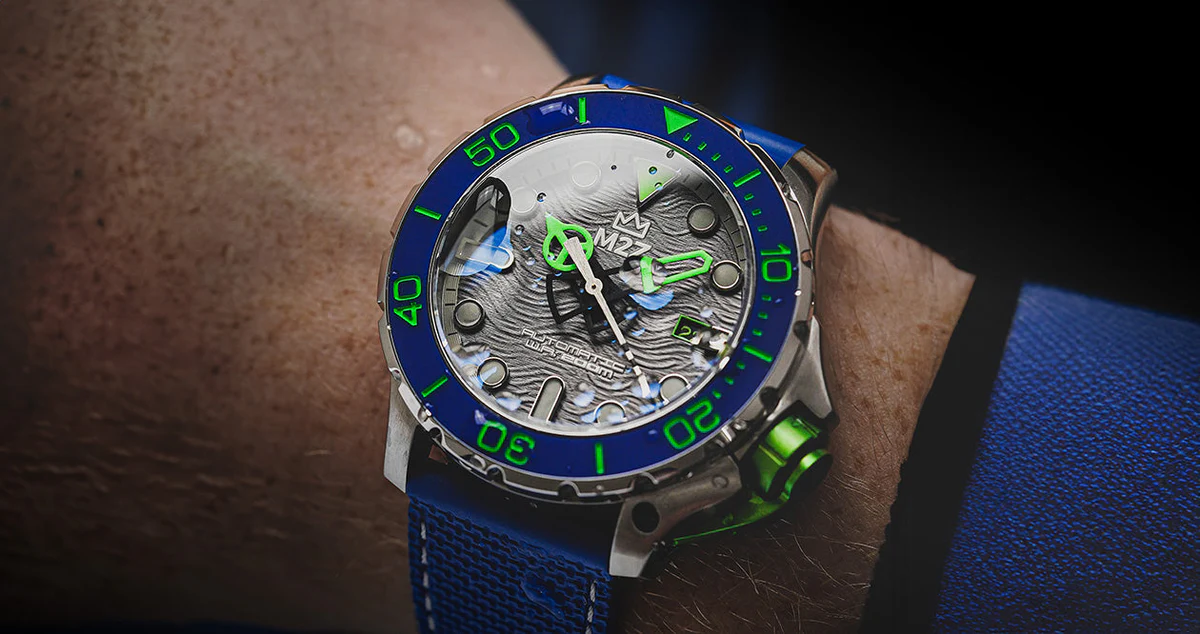
Water resistance is one of the most misunderstood features in modern watchmaking. Many owners assume it only matters if they plan to swim, dive, or spend time around water, but in reality, everyday situations can expose a watch to moisture far more often than people realize. Rain, hand washing, humidity, accidental splashes, temperature changes, and even sweat can all affect a watch over time. For mechanical and automatic watches in particular, protecting the movement from moisture is essential for long-term reliability and performance, especially for collectors who use an automatic watch winder to keep their timepieces running while off the wrist.
One of the biggest misconceptions is the idea that a watch labeled “waterproof” is completely immune to water damage. In reality, no watch is permanently waterproof. Water resistance ratings are based on controlled laboratory pressure tests, not real-world conditions like diving into a pool, standing in a hot shower, or exposing the watch to sudden temperature changes. Even a watch rated to 50m or 100m may not be suitable for every type of water activity depending on how it is used.
Choosing the right level of water resistance should therefore be based on lifestyle rather than marketing terminology alone. Someone who works in an office and rarely encounters water will have very different needs from a frequent traveler, swimmer, or outdoor enthusiast. Understanding the basic ratings is the first step. In most cases, water resistance is displayed in meters, ATM, or BAR. These measurements all refer to pressure levels, not literal diving depth. As a general rule, 10 ATM and 10 BAR are equivalent to 100 meters of water resistance. Companies such as Barrington Watch Winders often highlight the importance of proper care and storage for automatic watches, especially for owners who rotate multiple timepieces throughout the week.
What Water Resistance Actually Means
One of the most important things to understand about watch water resistance is that the rating printed on the dial or case back does not represent real-world diving depth. A watch marked “100m” was not necessarily designed to be taken 100 meters underwater during normal use. Instead, the rating reflects the amount of pressure the watch was able to withstand during controlled laboratory testing. These tests are performed under static conditions with no sudden movement, temperature fluctuation, or impact.
In everyday situations, water exposure is far less predictable. Jumping into a pool, swimming quickly, operating the crown accidentally, or exposing the watch to hot steam can create pressure changes that exceed what the seals were designed to handle during testing. Temperature also plays a major role. Heat can cause gaskets to expand and contract, gradually weakening their ability to keep moisture out of the case. Even a small impact against a hard surface may slightly compromise a seal without the owner noticing immediately.
Several factors can reduce real-world water resistance over time:
- Aging rubber gaskets and seals
- Sudden temperature changes
- Salt water exposure and corrosion
- Impacts or shocks to the case
- Improperly secured crowns or pushers
- Lack of regular pressure testing and maintenance
Another common misunderstanding involves the term “waterproof.” In modern watchmaking, this word is considered technically inaccurate because no watch can guarantee absolute protection against water under every condition. As a result, the industry now uses the term “water resistant” instead. International standards such as ISO 22810 define how water resistance should be tested and labeled, while professional dive watches must meet even stricter ISO 6425 requirements. These standards help create consistency across the industry, but they still do not eliminate the importance of proper maintenance and realistic usage expectations.
Understanding Common Water Resistance Ratings
Water resistance ratings can seem straightforward at first glance, but many watch owners misunderstand what these numbers actually mean in daily life. A higher rating generally provides better protection against moisture and pressure, but the intended use of the watch still matters. Activities involving movement, temperature changes, or sudden impacts in water can place more stress on seals than static testing conditions.
| Rating | Typical Use | Not Recommended |
| 30m / 3 ATM | Hand washing, rain, light splashes | Swimming, showers, submersion |
| 50m / 5 ATM | Short swimming sessions, light water exposure | Diving, water sports, hot tubs |
| 100m / 10 ATM | Swimming, snorkeling, beach vacations | Professional diving |
| 200m+ / 20 ATM+ | Diving, marine activities, water sports | Extreme saturation diving unless specifically rated |
A 30m or 3 ATM watch is considered the minimum level of water resistance for modern watches. It is suitable for everyday exposure such as accidental splashes, rain, or washing hands briefly. However, many owners incorrectly assume that 30m means safe swimming depth. In reality, even showering can be risky because hot water and steam may weaken seals over time and allow moisture to enter the case.
A 50m or 5 ATM rating offers slightly greater protection and is generally acceptable for light swimming or short exposure to water. For many casual users, this level is sufficient for vacations or occasional pool use. Even so, hot showers, saunas, and jacuzzis remain problematic because heat and steam create conditions very different from standard pressure testing.
For active owners, 100m or 10 ATM is often considered the ideal everyday rating. Watches at this level are usually suitable for swimming, snorkeling, beach trips, and regular outdoor activities. This rating provides a comfortable margin of safety for people who frequently encounter water during travel or sports without requiring a full professional dive watch.
Once a watch reaches 200m or higher, it enters true dive watch territory. These watches are designed for serious water exposure and typically include features such as screw-down crowns, reinforced cases, thicker gaskets, and highly legible dials. Many also comply with ISO dive watch standards, offering greater reliability during underwater use and high-pressure conditions.
How to Match Water Resistance to Your Lifestyle
Choosing the right water resistance level is less about owning the most extreme specification and more about understanding how the watch will actually be used. Many owners buy watches with ratings far beyond their needs, while others underestimate how often their watch is exposed to moisture during normal daily life. Matching the rating to your routine helps avoid unnecessary risks and ensures the watch remains reliable over time.
For office workers and everyday urban wear, a 30m or 50m rating is often enough for occasional splashes, rain, and routine daily use. However, many people overlook how frequently watches encounter moisture indirectly. Washing hands multiple times a day, walking through humid weather, or leaving a watch in a steamy bathroom can gradually stress seals and gaskets. For owners who prefer a single watch for every situation, 100m water resistance usually offers a safer long-term balance between practicality and peace of mind.
Travel introduces a completely different set of conditions. Pool use, tropical humidity, beach vacations, sudden temperature changes between air conditioning and outdoor heat, and accidental water exposure all place additional stress on a watch. This is why travelers often benefit from higher water resistance than they initially expect. A watch that feels perfectly adequate in daily office life may become less suitable during frequent vacations or active travel schedules.
Sports and outdoor activities create even more demanding conditions because moving water generates dynamic pressure that laboratory testing cannot fully replicate. Swimming, sailing, jet skiing, snorkeling, and similar activities expose watches to sudden impacts and rapid pressure changes. This is one reason why a 100m watch is generally considered the minimum comfortable level for active lifestyles, even when the user is not diving professionally.
For diving and serious marine use, watches rated at 200m or higher become far more appropriate. These watches are specifically engineered to withstand underwater pressure and typically feature screw-down crowns, reinforced case construction, thicker seals, and highly visible dials. Many professional-grade models also comply with ISO dive watch standards, providing additional assurance for underwater reliability and safety.
The Biggest Mistakes Watch Owners Make Around Water
Many cases of water damage happen not because a watch lacked sufficient water resistance, but because the owner misunderstood how water exposure actually affects the watch. Even high-quality mechanical watches can become vulnerable if basic precautions are ignored. Over time, small mistakes around moisture, heat, and maintenance can gradually compromise the seals designed to protect the movement.
One of the most common mistakes is wearing a watch in hot showers, saunas, or steam rooms. While many owners assume warm water is harmless, steam is far more dangerous than splashes or shallow immersion. Heat causes the rubber gaskets inside the watch to expand and contract repeatedly, which slowly weakens their ability to form a tight seal. Steam particles are also smaller than water droplets and can penetrate tiny gaps more easily, potentially leading to condensation inside the case.
Another major risk comes from operating the crown or chronograph pushers underwater. Pulling out the crown, adjusting the time, or activating pushers immediately creates an opening where water can enter the case. Chronographs are especially vulnerable because they include additional pushers and seals compared to standard watches. Unless a watch is specifically engineered for underwater pusher operation, these functions should never be used while submerged.
Water resistance also does not last forever. Many owners assume that a watch rated to 100m or 200m will maintain that protection permanently, but seals naturally deteriorate with age, exposure, and regular use. Older watches become more vulnerable as gaskets dry out, crack, or lose elasticity over time. This process happens gradually and often without visible warning signs.
The most commonly overlooked mistakes include:
- Wearing watches in saunas or hot showers
- Operating crowns or pushers underwater
- Assuming factory water resistance lasts indefinitely
- Skipping regular gasket replacement
- Ignoring annual pressure testing
- Exposing older vintage watches to water unnecessarily
Regular pressure testing is one of the simplest ways to reduce the risk of unexpected water damage. Many collectors test their watches annually, especially if the watch is frequently used around water or taken on vacations. For dive watches and sports models, yearly testing is often considered standard practice because even minor seal degradation can significantly reduce real-world water resistance.
Why Vintage Watches Require Extra Caution
Vintage watches require a very different approach to water resistance compared to modern sports or dive watches. Even if an older watch originally left the factory with strong water resistance specifications, decades of aging can dramatically reduce its ability to keep moisture out. Materials, manufacturing tolerances, and sealing technology from previous eras were often less advanced than what is used in contemporary watchmaking.
One of the biggest concerns is the condition of the original gaskets and seals. Older gasket materials naturally harden, dry out, and lose elasticity over time, especially if the watch has not been serviced regularly. Even when replacement seals are installed during servicing, vintage case construction may no longer provide the same level of protection it once did. Small imperfections around the crown, crystal, or case back can become potential entry points for moisture.
Restored or polished vintage watches may carry additional risks. Heavy polishing can slightly alter the shape of the case and reduce the precision of the surfaces designed to create a watertight seal. Replacement crystals, aftermarket parts, or previous repair work may also compromise water resistance if not performed to extremely high standards. In some cases, a vintage watch may technically pass a pressure test but still remain far more vulnerable than a modern equivalent under real-world conditions.
For these reasons, many experienced collectors avoid exposing vintage watches to water entirely, regardless of the stated rating on the dial or case back. Even simple activities such as washing hands or wearing the watch in humid weather can feel unnecessary when dealing with rare or historically important pieces. For most collectors, preserving the originality and long-term condition of a vintage watch is far more important than testing its water resistance limits.
Dive Watches vs Standard Sports Watches
At first glance, many modern sports watches appear similar to dive watches. They often feature rotating bezels, bold markers, and strong water resistance ratings. However, a true dive watch is designed to meet far stricter functional standards than a standard sports watch intended primarily for everyday wear.
Professional dive watches are typically built according to ISO 6425 standards, which establish minimum requirements for underwater reliability and legibility. Beyond water resistance of at least 100m during testing, true dive watches must withstand salt water exposure, pressure changes, condensation testing, and low-light visibility requirements. They are engineered specifically for underwater use rather than simply offering higher resistance on paper.
Several characteristics usually separate true dive watches from standard sports models:
- Highly legible dials with strong lume
- Unidirectional rotating bezels for timing dives
- Screw-down crowns for added water protection
- Reinforced cases and thicker crystals
- Strong resistance to pressure and corrosion
- Enhanced visibility in dark underwater environments
Despite these capabilities, most owners do not actually need a professional dive watch for their daily routine. For many people, a 100m sports watch is already more than sufficient for swimming, vacations, and recreational water activities. The popularity of dive watches today is often driven as much by aesthetics and versatility as by genuine underwater use.
Many collectors and enthusiasts choose dive watches because they work well in almost every setting. A good dive watch can transition from casual wear to travel, outdoor activities, and office use without feeling out of place. Their durable construction, easy readability, and strong water resistance also provide a sense of practicality that appeals to owners who prefer one reliable watch for multiple situations.
How Environment Affects Water Resistance Over Time
Water resistance is not determined solely by the original engineering of the watch. The environment in which a watch is worn and stored also plays a major role in how well its seals, gaskets, and case components perform over the years. Even watches with strong factory ratings can gradually lose resistance when repeatedly exposed to harsh conditions.
Salt water is one of the most damaging environments for any watch. While modern dive watches are designed to withstand ocean use, salt can still accelerate corrosion around the case, crown, bracelet, and gasket system if not cleaned properly afterward. Tiny salt deposits may remain on the watch even after it appears dry, slowly affecting metal surfaces and seals over time. This is why experienced collectors and divers usually rinse their watches with fresh water after swimming in the ocean.
Pool water creates different challenges. Chlorine and chemical treatments used in swimming pools may gradually weaken rubber gaskets and contribute to premature aging of seals. Over long periods, repeated exposure can also affect certain metals, finishes, and bracelet components. Even highly water-resistant watches benefit from regular cleaning after pool use to minimize chemical buildup and reduce long-term wear.
Humidity presents another hidden threat that many owners underestimate. Moisture in the air can slowly penetrate weakened seals, especially in older or poorly maintained watches. In some cases, condensation may form inside the crystal after sudden temperature changes, indicating that moisture has already entered the case. Once inside, even a small amount of trapped humidity can damage lubricants, promote corrosion, and affect the precision of the movement long before visible signs appear.
Environmental exposure becomes especially important for watches that are frequently used during travel, beach vacations, sports activities, or humid climates. Regular maintenance and proper storage conditions help preserve both the movement and the long-term effectiveness of the watch’s water resistance system.
Watch Winders and Water-Resistant Watches
Water resistance remains important even when a watch is not being worn. Many owners focus entirely on protecting their watches during swimming or outdoor use, while overlooking how storage conditions can affect seals, lubricants, and long-term movement health. Automatic watches spend a significant amount of time off the wrist, which makes proper storage an important part of overall watch care.
Humidity is one of the biggest risks during storage. Leaving watches in bathrooms, near windows, or in areas with frequent temperature fluctuations can gradually expose the case and internal components to moisture. Over time, changing humidity levels may accelerate gasket aging and increase the possibility of condensation forming inside the watch. Stable conditions are especially important for mechanical and automatic watches that owners intend to keep for many years.
Good storage habits for water-resistant watches typically include:
- Keeping watches away from humid environments
- Avoiding bathrooms and steam-prone areas
- Storing watches at stable room temperature
- Protecting watches from sudden temperature shifts
- Using clean and dust-free storage solutions
- Periodically checking seals and crowns for wear
For dive watches and sports watches, consistent storage conditions help preserve the integrity of seals and water resistance systems. Many collectors who own several automatic watches rotate them regularly rather than wearing a single watch every day. As collections grow, proper organization and controlled storage become increasingly important, especially for watches frequently exposed to water, outdoor activities, or travel conditions.
Watch winders are often used by collectors to keep automatic watches running while not being worn, particularly for sports models and complicated watches with date functions. While a winder does not directly improve water resistance, maintaining watches in a clean, stable environment can help reduce unnecessary exposure to humidity and environmental stress when the watches are off the wrist.
Final Thoughts
Choosing the right water resistance level is ultimately about understanding how a watch fits into your real daily routine rather than relying purely on marketing terminology or impressive specifications. Many owners underestimate how often their watches are exposed to moisture through travel, weather, sports, humidity, and everyday activities. For that reason, a 100m rating is often considered the safest and most versatile choice for people who want one watch capable of handling a wide variety of situations comfortably.
At the same time, it is important to remember that water resistance is never permanent. Gaskets age, seals wear down, and environmental exposure gradually affects every watch over time. Even highly capable dive watches require regular maintenance and occasional pressure testing to ensure they continue performing as intended. Proper care, sensible use, and appropriate storage conditions all play a major role in protecting a mechanical watch for the long term.
For collectors who own multiple automatic watches, storage also becomes part of responsible watch ownership. Brands such as Barrington Watch Winders focus on helping enthusiasts keep their watches stored safely and running consistently while off the wrist, particularly in stable environments that reduce unnecessary exposure to humidity and temperature fluctuations.
In the end, the best approach is usually the most practical one. Choose water resistance based on your actual lifestyle, maintain the watch regularly, and avoid assuming that a factory rating alone guarantees permanent protection.
