
Close Menu

    Subscribe to Updates

    Get the latest creative news from FooBar about art, design and business.

    What's Hot

    Orientals: Price, Breeders, and Care Tips

    30/12/2025

    6 Best Gifts for Veterinarian Doctors to Show Appreciation

    23/07/2025

    What is the Collective Noun for Goslings?

    24/04/2025
    Facebook X (Twitter) Instagram
    All Collective Nouns
    Facebook X (Twitter) Instagram Pinterest
    • Home
    • Business
    • Digital Marketing
    • Health
    • Lifestyle
    • News
    • Animal
    • Grammar
    • Law
    All Collective Nouns
    Home»Beauty Tips»How to Determine Your Type of Hair and Steps to Take Care of It
    Beauty Tips

    How to Determine Your Type of Hair and Steps to Take Care of It

    DawudBy Dawud17/12/2025No Comments3 Mins Read
    Share Facebook Twitter Pinterest LinkedIn Tumblr Email
    Share
    Facebook Twitter LinkedIn Pinterest Email Copy Link

    If you have curly or coily hair, you should consider yourself lucky because you have a beautiful, versatile, and unique hair type. That said, you need to consider the right care to help make it stay healthy and defined. If you have 3c and 4a hair, for instance, there are techniques and routines that are well-suited for you.

    Steps in Identifying Your Hair Type

    1. Wash and Air-Dry
      Your hair should be free from any hair chemicals before letting it air-dry naturally. This will show the natural curly pattern of your hair without being manipulated.
    2. Examine the Curl Pattern
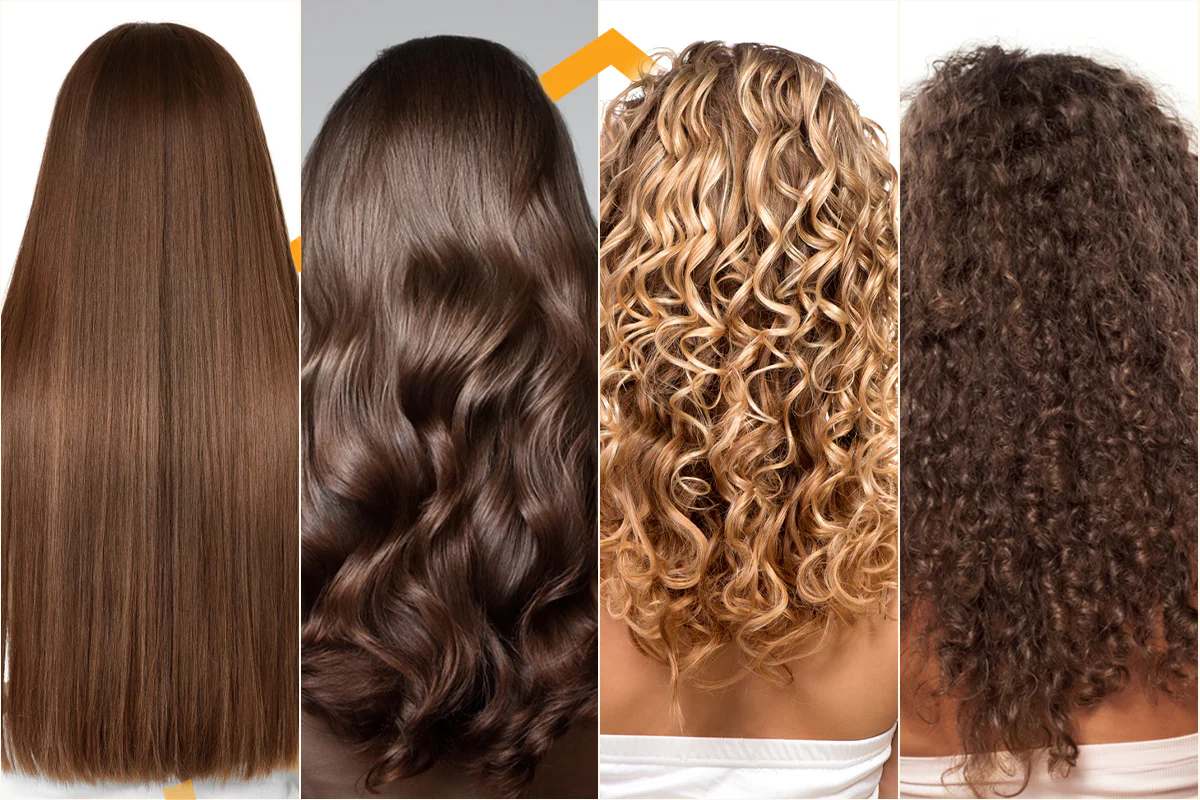
      If you see no curls, it is type 1 or the straight type. Wavy or one with a loose ‘s’ pattern is type 2, while curly or with defined spirals is type 3. Type 4, however, is one that shows a coily or kinky pattern.
    3. Check Hair Diameter
      Note that thick strands tend to hold styles longer, while fine strands need gentler handling.
    4. Assess the Shrinkage
      You can see that curly hair shrinks a lot when it is wet, while type 4 hair usually shrinks about 50 to 75 percent, whereas 3c shrinks less.
    5. Note Your Hair Density
      If your hair has high density, it means it has lots of strands or one with more volume. However, if it has low density, it means it is thinner or has a lighter look.
    6. Observe Hair Behavior
      Check if it reacts to moisture, humidity, or hair products. Sometimes, it can be prone to frizz, dryness, or tangling.

    Routines for Taking Care of Your Curls

    1. Keep Your Hair Moisturized
      Compared to straight hair, curls dry out faster. So, you need to use sulfate-free shampoo. You may also apply a leave-in conditioner after every wash. It is advisable that you deep condition it once a week.
    2. Wash Smart, Not Often
      Shampoo only every 7 to 14 days because over-washing can strip its natural oils. Co-wash only between washes if necessary.
    3. Detangle Gently
      If it is damp and conditioned, you can detangle your hair. Use your fingers or a wide-tooth comb, start from the ends and work upwards.
    4. Protect Your Curls at Night
      You can sleep with a satin or silk bonnet or pillowcase. If possible, try loose braids or the pineapple method.

    If you need quality hair care products for textured hair, reach out to Heat Free Hair today. You can talk to us if you are looking for versatile styling options without the need for heat or chemical processing.

    Share. Facebook Twitter Pinterest LinkedIn Tumblr Email
    Dawud
    • Website

    Related Posts

    Why Your Dry Skin Needs More Than Just Moisturizer

    10/10/2025

    How to Find High-Quality Cheap Clip-In Hair Extensions Online

    19/05/2025

    How to Find Hidden Gems for Your Personal Collection 

    30/04/2025
    Leave A Reply Cancel Reply

    Don't Miss
    Law

    Experienced Kansas City DUI Lawyer for First-Time and Repeat Offenders

    Getting arrested for DUI in Kansas City feels like a punch to the gut. The…

    How POS Machines Support Data-driven Retail Decisions

    12/01/2026

    Jet-Set Smarter: The Best Online Tools for Boosting Your Travel Experience

    10/01/2026

    How Often Should Trees Be Trimmed?

    06/01/2026
    Top Posts

    Experienced Kansas City DUI Lawyer for First-Time and Repeat Offenders

    16/01/2026

    How POS Machines Support Data-driven Retail Decisions

    12/01/2026

    Jet-Set Smarter: The Best Online Tools for Boosting Your Travel Experience

    10/01/2026

    How Often Should Trees Be Trimmed?

    06/01/2026
    Stay In Touch
    • Facebook
    • Twitter
    • Pinterest
    • Instagram
    • YouTube
    • Vimeo

    Subscribe to Updates

    Get the latest creative news from SmartMag about art & design.

    About Us

    Welcome to All Collective Nouns, your comprehensive online resource for collective nouns in English. Our goal is to provide the largest dictionary of collective nouns on the web to help you improve your vocabulary and writing.

    We have carefully researched and compiled hundreds of the most commonly used collective nouns to describe groups of people, animals, things, and activities. Whether you need the right word for a flock of birds or a panel of experts, we have you covered.

    Facebook X (Twitter) Pinterest YouTube WhatsApp
    Our Picks

    Experienced Kansas City DUI Lawyer for First-Time and Repeat Offenders

    16/01/2026

    How POS Machines Support Data-driven Retail Decisions

    12/01/2026

    Jet-Set Smarter: The Best Online Tools for Boosting Your Travel Experience

    10/01/2026
    Most Popular

    What is the Collective Noun for Kangaroos?

    23/01/2024

    What is the Collective Noun for Larks?

    24/01/2024

    What is the Collective Noun for Rooks?

    27/01/2024
    • Privacy Policy
    • About Us
    • Contact Us
    • Terms and Conditions
    © 2026 allcollectivenouns.com |

    Type above and press Enter to search. Press Esc to cancel.